OEM / ODM
Custom projects move faster when the brief is visual and specific.
KXB Food uses this page to frame OEM and ODM work around category fit, pack structure, artwork direction, and export-facing quotation logic. The goal is to keep the first discussion focused and commercially useful.

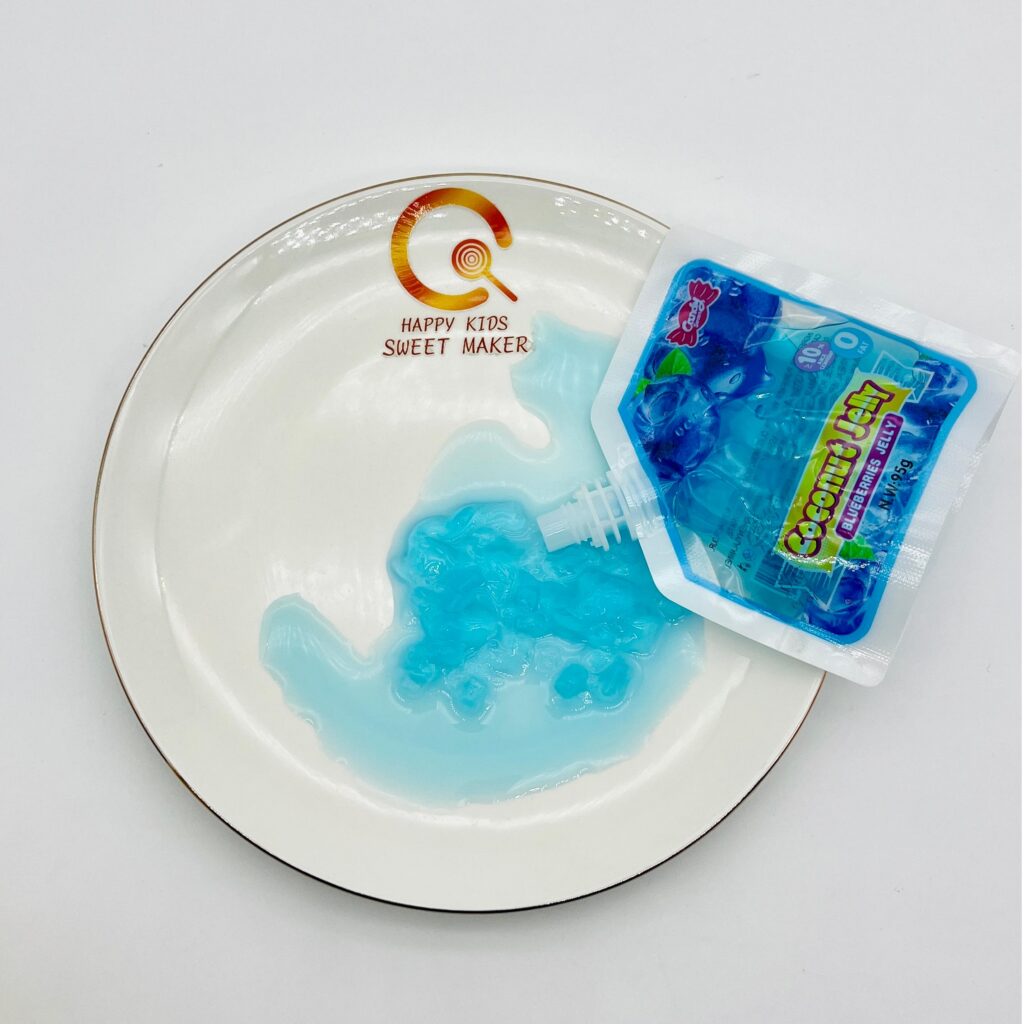
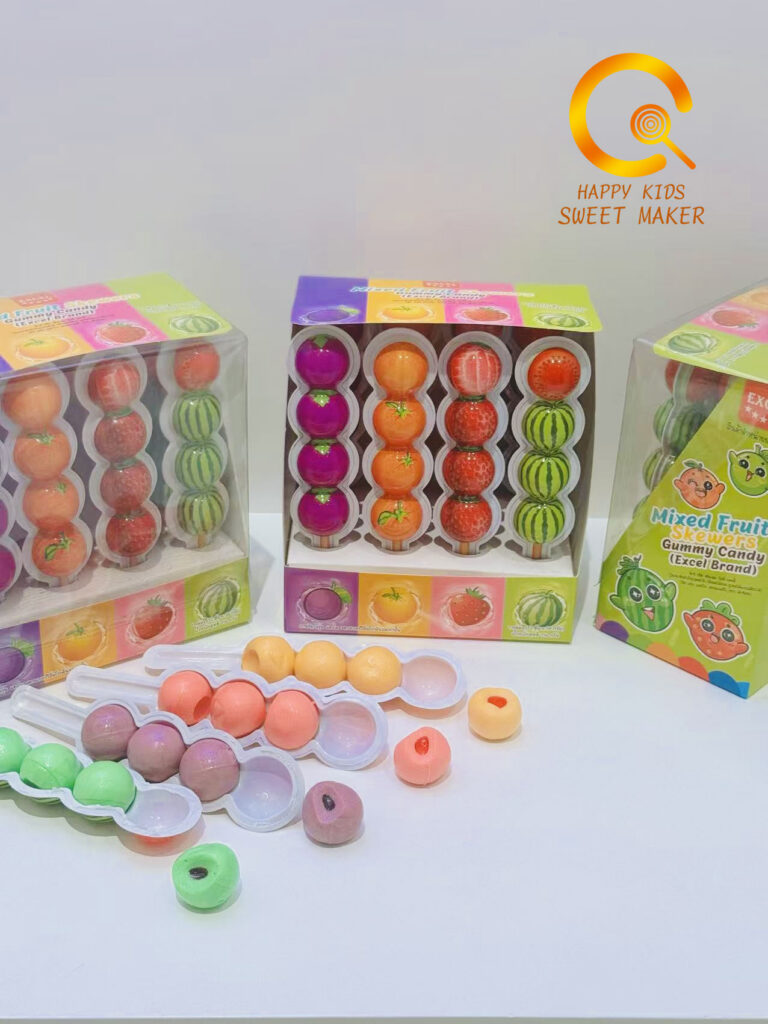
Custom Scope
The OEM / ODM work usually sits in four layers.
The clearer these layers are in the brief, the less time is wasted on correction later.
Layer 1
Product format
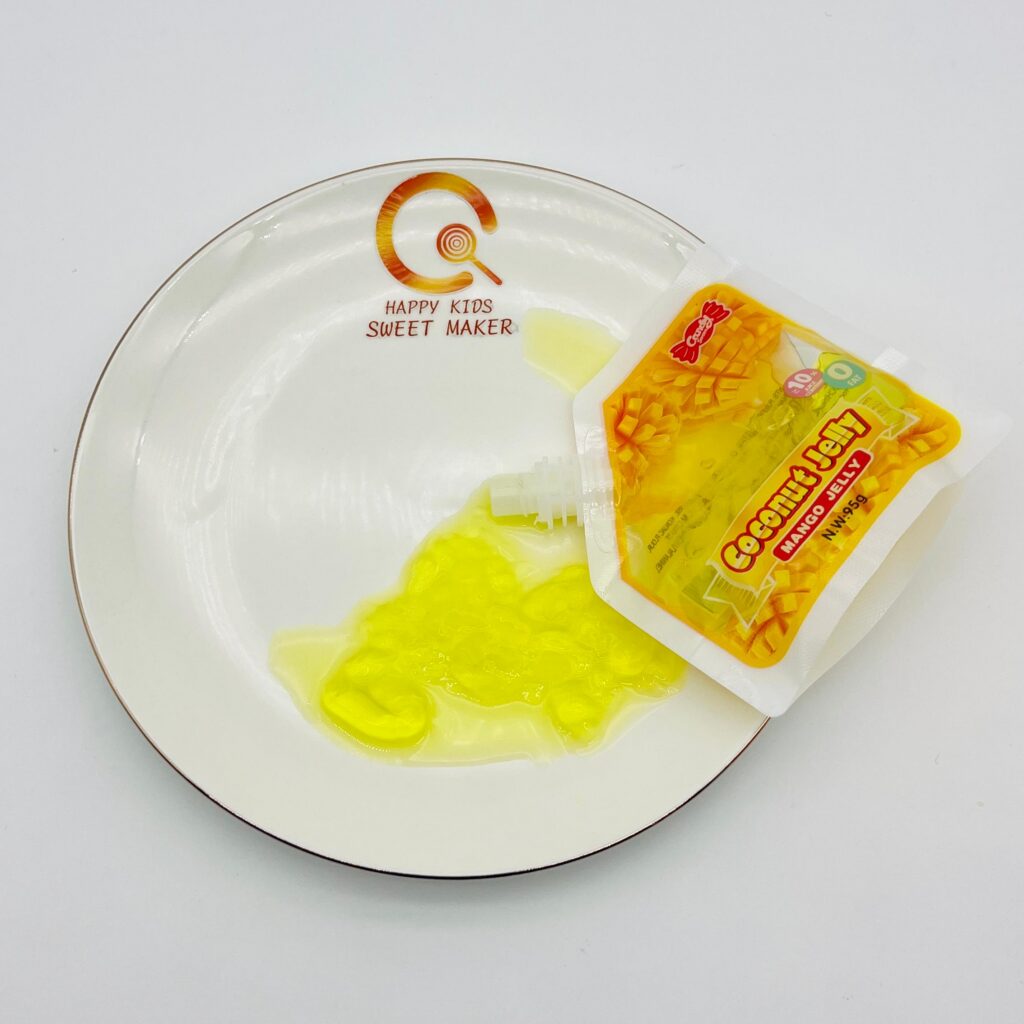
Category, shape family, and flavor mix establish what kind of line you are really building.
Layer 2
Packaging structure
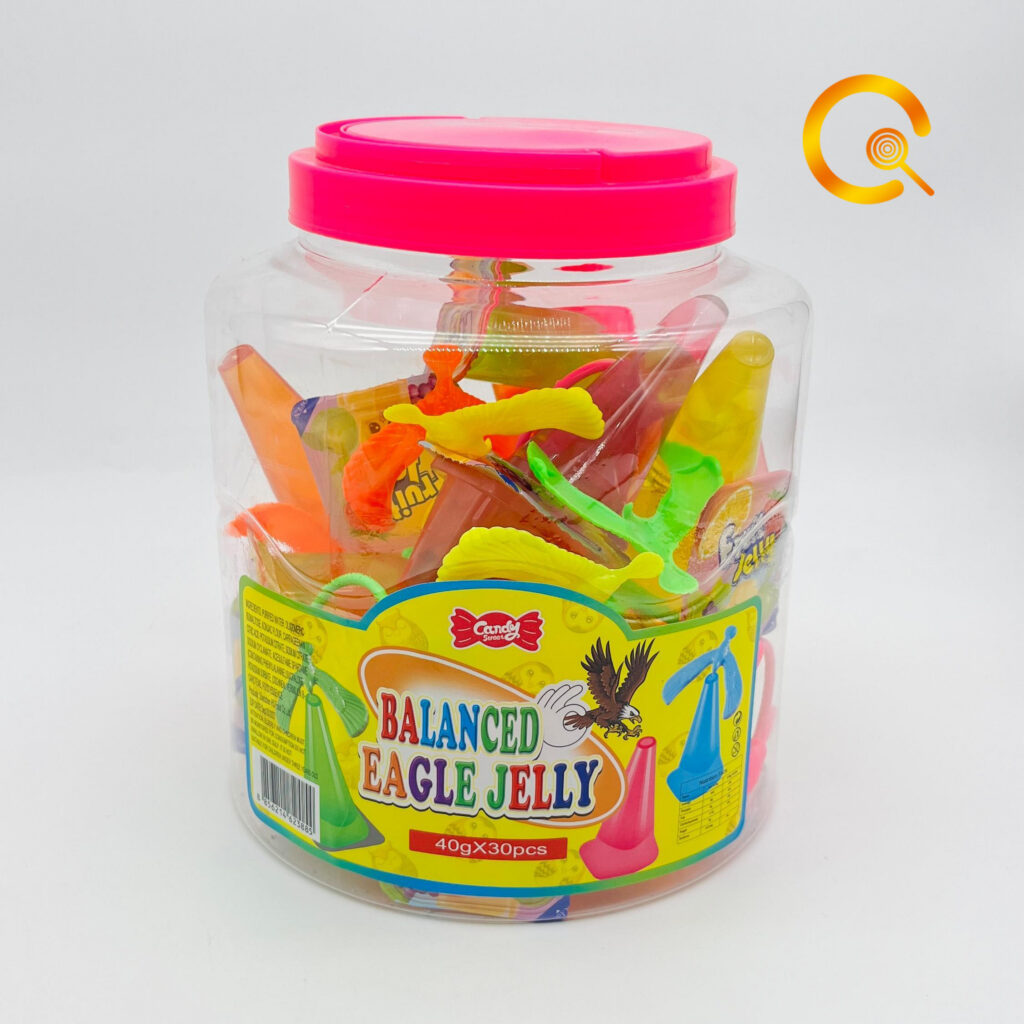
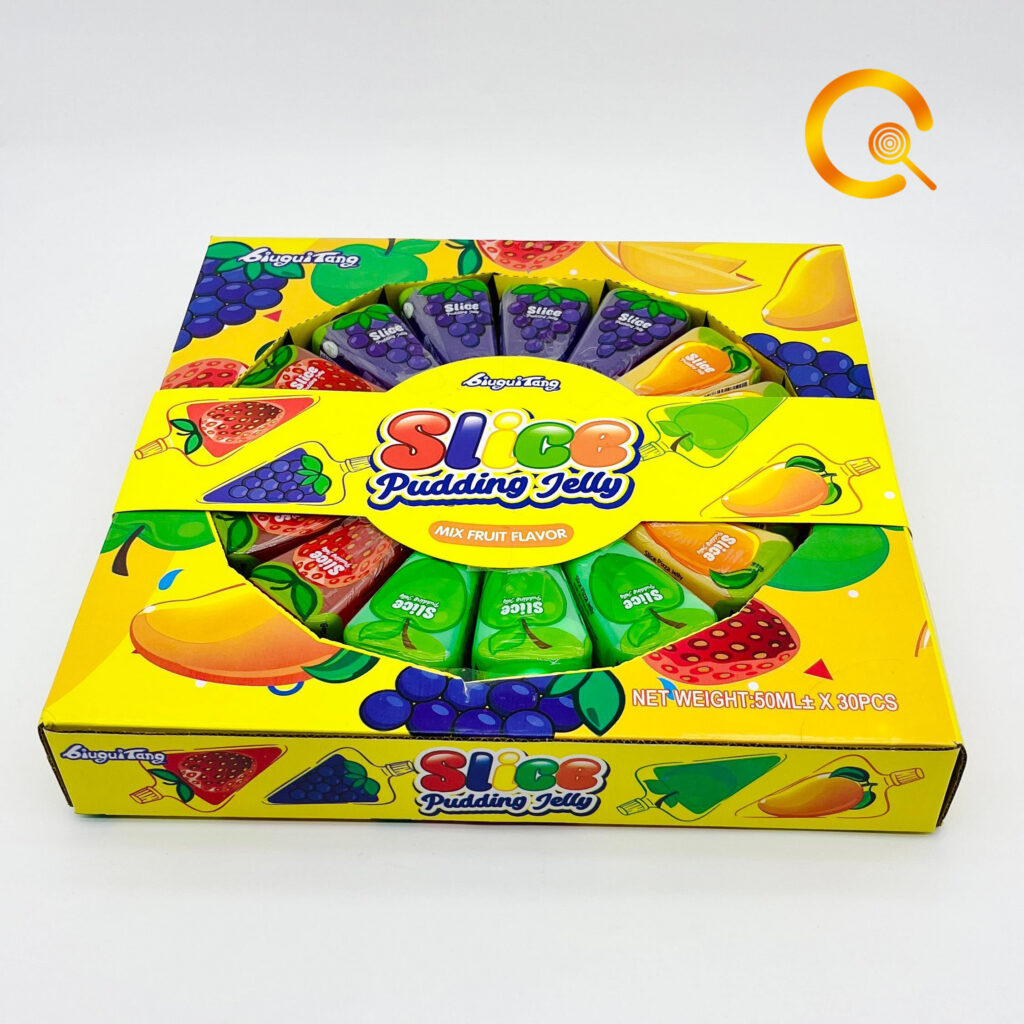
Jar, tray, pouch, display carton, or gift box changes the selling story and quotation logic.
Layer 3
Artwork expression
Color palette, illustration mood, and label language should support the category instead of fighting it.
Layer 4
Commercial frame
Target market, quantity, and launch timing keep the whole project grounded in real demand.
Process
OEM / ODM projects get cleaner once the visual goal is known.
Define the commercial frame
Category, target market, and pack structure set the practical limits of the project.
Align visuals and references
Artwork mood, shelf personality, and similar examples are reviewed early.
Confirm samples and details
Flavor mix, labeling language, and unit count are refined with the package style in mind.
Move into quotation
When the brief is stable enough, costing and production planning become more accurate.
What To Send
The strongest buyer briefs are still short.
- Target marketCountry, channel, consumer age, and whether private label is required.
- Reference directionA similar product, pack idea, or mood board is enough to make the conversation concrete.
- Commercial noteExpected quantity, timing, and any key packaging constraints keep the answer practical.